Suwon Day Trip from Seoul: Hwaseong Fortress Guide (2026)
“A UNESCO fortress, a legendary fried chicken alley, and under an hour from Seoul by subway.”
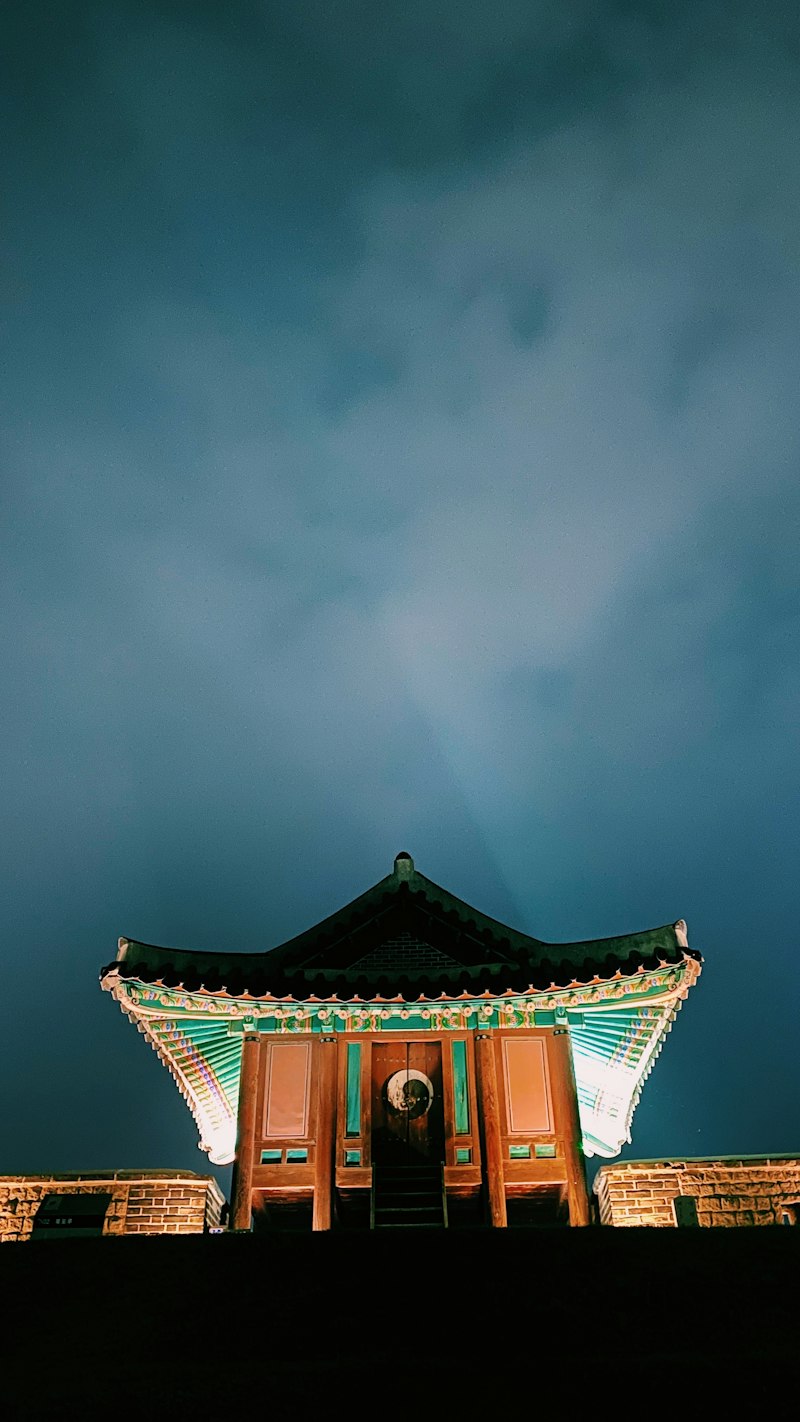
Suwon sits on Seoul Subway Line 1, about fifty minutes from Seoul Station with no transfer required. That single fact makes it one of the easiest day trips available to anyone based in the capital, and yet it gets skipped constantly in favor of destinations that require far more planning. The city's main draw is Hwaseong Fortress, a UNESCO World Heritage site built in the late eighteenth century, along with a stretch of fried chicken restaurants known locally as Tongdak Alley that has been operating since the 1970s. Between the two, a single day covers a genuine historical site and one of the more distinctive food traditions in the country, all without an early wake-up call or a long transit chain. For travelers weighing day trip options against Busan, Jeonju, or the DMZ, Suwon is worth considering simply because the effort-to-payoff ratio is unusually good — the subway ride alone puts it within reach of an afternoon plan, not just a full-day expedition.
Most visitors touring Korea's other regional cities budget half a day just for transit. Suwon flips that math: the travel time is short enough that the fortress, the palace, and the chicken alley all fit comfortably into a single afternoon and evening, leaving the morning free for something else in Seoul if the schedule calls for it. That flexibility, more than any single sight, is what makes the city worth a closer look rather than a footnote on the way to somewhere else.
Getting to Suwon from Seoul
Subway Line 1 runs directly to Suwon Station, and there are two ways to ride it: the regular local service and the express. The express train, marked clearly on platform signage and inside the train itself, skips a run of stops through Gwanak and Anyang and cuts the trip to around fifty minutes. The local train covers the same distance in roughly an hour and ten minutes, stopping everywhere along the way. Either train works, but if there's an express waiting when you arrive on the platform, take it — the time saved adds up over a round trip.
Board from Seoul Station or City Hall Station, both on Line 1, and ride south without transferring. Fare runs about ₩1,900 with a T-money card, deducted automatically at both ends of the journey. There's no separate ticket to buy and no reservation system to navigate — tap in, ride, tap out.
For travelers who want to squeeze more time out of the day, KTX is the faster option. Seoul Station to Suwon Station on KTX takes about twenty minutes and costs around ₩6,600. It's a meaningful upgrade in speed for a relatively small cost difference, and it's worth considering if the day trip is tightly scheduled or if an evening commitment back in Seoul makes the extra thirty minutes on the subway a real constraint.
From Suwon Station, Hwaseong Fortress is not immediately visible — it's about a twenty-minute walk, or a short ride on local bus 11 or 13, both of which run frequently and stop near the fortress's southern gate. Walking is a reasonable option if the weather cooperates; the bus is faster and costs next to nothing extra given the T-money fare is already loaded.
Getting back to Seoul works the same way in reverse, and this is where the "suwon to seoul" question usually comes up in practice: how late can you leave? Line 1 trains run until close to midnight, so there's no risk of stranding yourself even after a long dinner in the chicken alley. The last express departures thin out earlier than the last local trains, so if the evening runs late, don't assume an express will be available — check the platform display rather than planning around it. For visitors combining Suwon with other Gangwon or Gyeonggi destinations in the same trip, the regional transit guide covers how Line 1 connects with other regional rail options in more detail.
Hwaseong Fortress: What to Know Before You Go
Hwaseong Fortress was added to the UNESCO World Heritage list in 1997, recognized for its construction techniques and its role as a rare example of a fully planned fortress city from the Joseon dynasty. The wall runs 5.7 kilometers around what was once the entire city center, and walking the complete circuit takes roughly two to three hours depending on pace and how many stops are made along the way. Admission is ₩1,000 for adults during the day, and entry is free after dark — a detail that changes how a lot of visitors choose to plan their time here.
The full loop isn't necessary to get the experience. The strongest section runs from Paldalmun Gate up toward Seojangtae, the western command post, where the elevation gives a clear view down over the old city and the newer development beyond it. From there, continuing along the northeastern section to the corner watchtower — the ornamental structure most people recognize from photos of the fortress — covers the most visually rewarding stretch without requiring the full loop. Visitors with limited time do well to walk this section and treat the rest of the wall as optional rather than mandatory.
Much of the wall is walkable directly on top, which is unusual among Korea's historic fortifications and part of what makes the site worth the detour. The stone and brick construction holds up well underfoot, with railings at the steeper sections and enough width to walk comfortably in most places.
Inside the fortress grounds sits Hwaseong Haenggung, the largest surviving temporary palace from the Joseon period, used historically as a residence during royal visits to the region. Entry is separate from the fortress wall admission, at ₩1,500. The palace has a direct connection to King Jeongjo, who commissioned the fortress as part of a broader plan to relocate the capital and honor his father — a piece of history that gives the site more weight than its scenic value alone would suggest. Construction ran from 1794 to 1796, and much of what stands today was faithfully rebuilt after wartime damage using the original construction records, which is part of why UNESCO cited the fortress for its documentation as much as for the structure itself. A changing of the guard ceremony runs twice daily, at 11:00 in the morning and 2:00 in the afternoon, in front of the palace gate, and it's worth timing a visit around one of these if the schedule allows.
Tongdak Alley: Suwon Fried Chicken
Planning a trip to Suwon?
Answer a few quick questions and get a personalized day-by-day itinerary — cities, food, and transit included. No sign-up needed.
Build My Suwon Plan →Tongdak Alley sits near Paldalmun Gate, about ten minutes on foot from Suwon Station, and has been serving whole fried chicken since the 1970s — long before Korean fried chicken became an international export. The alley is a concentrated run of small restaurants, most family-run for multiple generations, each frying whole birds in large vats rather than the individually breaded pieces more common elsewhere.
The standard order is tongdak, a whole chicken fried plain, though most stalls also offer a yangnyeom version finished in a sweet-spicy sauce. A full bird runs between ₩18,000 and ₩25,000, and for two people, one order is generally enough — arrive hungry rather than order two. Solo travelers aren't entirely out of luck; a few of the older shops in the alley will do a half portion on request, though it's worth confirming before ordering since not every stall offers it.
The alley changes character over the course of the day. Afternoons are quiet, functional, mostly locals stopping in. By early evening the oil is hot, tables fill up, and the street takes on the atmosphere it's actually known for — the smell of frying chicken carrying down the block, groups settling in for what Koreans call chimaek, chicken paired with beer, a combination treated less as a snack than as its own kind of evening plan. Visiting after dark rather than in the middle of the afternoon is the better call if there's flexibility in the schedule.
Suwon Day Trip Itinerary
For travelers searching for a straightforward answer to how to structure a Suwon day trip from Seoul, this routing covers the fortress, the palace, and the chicken alley without wasted transit time.
For travelers with more time in the day, the schedule extends naturally into the evening. Rather than eating early in Tongdak Alley and heading back, push dinner later, eat at a normal dinner hour when the alley is at its liveliest, and follow it with a walk along the fortress wall after dark. Night entry is free, and the wall is lit at intervals along its length — a completely different atmosphere from the daytime version, quieter and considerably less crowded, and one of the better reasons to stretch a day trip into a longer evening.
The order above isn't fixed, either. Travelers more interested in the food than the history sometimes flip the day, starting with a slow morning at the fortress before the crowds build and saving the chicken alley for a late lunch rather than dinner, which avoids the evening rush entirely and still leaves the afternoon open for Seoul-bound plans.
Practical Notes
Spring and autumn are the strongest seasons for Suwon, specifically because so much of the visit involves walking on top of an exposed stone wall. April and May, and again from September through November, bring temperatures that make the fortress walk comfortable rather than punishing. Summer is workable but demanding — there's little shade along most of the wall, and both water and sunscreen are worth carrying rather than assuming you'll find shops along the route.
Weekends bring real waits at Tongdak Alley, particularly in the evening window when the alley is busiest. A weekday visit avoids most of this, and if a weekend trip is the only option, arriving right as the dinner rush starts rather than in the middle of it helps.
Inside the fortress grounds, bicycle rental is available for visitors who want to cover more ground faster than walking allows — a reasonable option for anyone short on time who still wants to see most of the wall rather than just the core section. Around Suwon Station itself, convenience stores and cafes are dense enough that picking up water, snacks, or a coffee before setting out requires no extra planning.
For travelers who prefer to stay overnight rather than treat Suwon strictly as a day trip, business hotels near the station run roughly ₩60,000 to ₩100,000 a night, which keeps an overnight add-on relatively cheap against the rest of a Korea itinerary. The Korea travel budget guide breaks down how a stop like this fits into a broader daily budget, and the Suwon city guide covers neighborhoods and orientation for anyone extending beyond a single day.
Frequently Asked Questions
How do I get to Suwon from Seoul?
Take Seoul Subway Line 1 south to Suwon Station — about 50 minutes on the express train or 70 minutes on the local, roughly ₩1,900 with a T-money card, no transfer required. KTX from Seoul Station is faster at about 20 minutes for around ₩6,600.
How much does Hwaseong Fortress cost to enter?
Daytime admission is ₩1,000 for adults, and entry is free after dark. Hwaseong Haenggung, the palace inside the fortress grounds, charges a separate ₩1,500.
Do I need to walk the full Hwaseong Fortress wall?
No. The full 5.7 km loop takes two to three hours, but the strongest stretch runs from Paldalmun Gate up to Seojangtae and along to the northeastern corner watchtower. Walk that section and treat the rest of the wall as optional.
What is Tongdak Alley in Suwon?
Tongdak Alley is a concentrated run of family-run fried chicken restaurants near Paldalmun Gate that has been frying whole birds since the 1970s. A whole chicken costs ₩18,000–25,000, and the alley is at its liveliest in the evening.
Is Suwon worth a day trip from Seoul?
Yes. The fortress, Hwaseong Haenggung, and Tongdak Alley all fit into a single afternoon and evening, and the subway ride is short enough that the morning stays free for Seoul plans.
Make a Suwon plan that fits your trip
This guide gives one version. Get one built around your own dates, budget, and interests — with Korean place names you can paste straight into Naver Map. No sign-up needed.
Build My Suwon Plan →