Where to Stay in Seoul 2026: Best Neighborhoods and Prices
“The right neighborhood changes everything about your trip.”
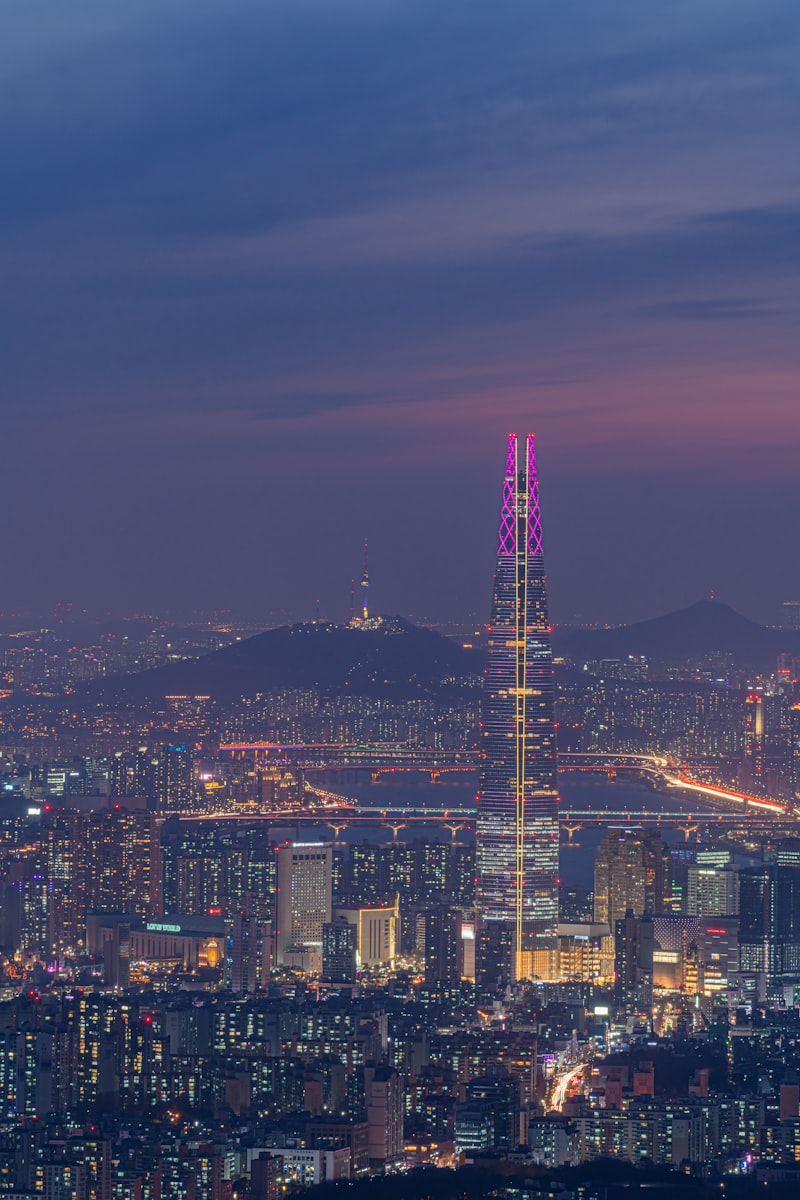
Choosing Your Seoul: A Neighborhood Guide for First Arrivals
Seoul is not one city—it's a constellation of distinct villages, each with its own personality, pace, and price point. The neighborhood you pick as your base will quietly shape every morning you wake up and every evening you return home. Get it right and the city unfolds naturally around you.
First-time visitors often default to Myeongdong because it tops every tourist list. This guide exists to give you better options—and to tell you honestly when Myeongdong is actually the right call.
Seoul Hotel Average Prices 2026
| Type | Average per Night (2026) | Best For | Example Areas |
|---|---|---|---|
| Hostel (Dorm) | ₩20,000–35,000 (~$15–25) | Solo backpackers | Hongdae, Insadong |
| Budget Guesthouse | ₩45,000–80,000 (~$33–58) | Budget travelers | Myeongdong, Jongno |
| Mid-range Hotel | ₩90,000–160,000 (~$65–115) | Couples, families | Myeongdong, Hongdae, Itaewon |
| Upper Mid-range | ₩160,000–250,000 (~$115–180) | Comfort travelers | Gangnam, Seongsu, Itaewon |
| Luxury Hotel | ₩250,000–600,000+ (~$180–430) | Business, luxury | Gangnam, Myeongdong |
Prices are per night for double occupancy and vary by season. Expect higher rates during Cherry Blossom season (late March–April) and autumn foliage season (October–November).
| Neighborhood | Best For | Avoid If |
|---|---|---|
| Hongdae | Nightlife, solo travelers, under 35 | You need quiet sleep before 2am |
| Myeongdong | Convenience, day-trip launch pad | You want an immersive, local feel |
| Gangnam | Business, luxury, fine dining | You're on a budget |
| Seongsu | Design, cafes, repeat visitors | You need to be near major sights |
| Jongno & Seochon | History, quiet reflection | You're here for nightlife or shopping |
Each neighborhood is covered in detail below, including honest trade-offs and current price ranges.
1. Hongdae: For Nightlife & the Young Traveler
Hongdae is named after Hongik University, and that youthful energy never quite dissipates—even after the students go home for the summer. This neighborhood is defined by independent music clubs, street performers, all-night karaoke rooms (noraebangs), and a density of restaurants and cafés that rivals any neighborhood in the world.
The streets here are narrow and tactile in a way that big-city boulevards never are. You'll find record shops wedged between ramen counters, and murals on every wall that faces south. It's the kind of place where you wander for hours without meaning to.
Best for: Solo travelers, budget backpackers, those traveling for music and nightlife, anyone under 35 who wants to feel like a local.
Avoid if: You need quiet sleep before 2am, you're traveling with young children, or you'd find the energy exhausting rather than invigorating.
Budget range: Hostels from ₩20,000/night. Mid-range guesthouses from ₩70,000. Boutique hotels from ₩120,000.
2. Myeongdong: For Shopping & Tourist Convenience
There's a reason every travel blog recommends Myeongdong: it is simply the most convenient base in the city. The subway connections are excellent, the streets are lined with Korean and international chain restaurants, and beauty shops stay open past midnight. If you plan to use Seoul primarily as a launch pad for day trips—to the DMZ, to Nami Island, to Suwon—Myeongdong's central location is genuinely hard to beat.
The honest trade-off is atmosphere. Myeongdong feels more like a commercial district than a neighborhood. The presence of other tourists is constant and visible. Your Seoul experience will feel more curated and less discovered.
Best for: Families, travelers with limited mobility who need subway proximity, K-beauty shoppers, people on tight itineraries doing multiple day trips.
Avoid if: You want to feel immersed in how Seoul actually lives, or you find heavily touristed streets draining.
Budget range: Mid-range hotels from ₩100,000. Business hotels from ₩180,000. No real budget option here.
3. Gangnam: For Business & Luxury
South of the Han River, Gangnam is a different Seoul altogether—glass towers, wide boulevards, valet parking, and an unmistakable air of prosperity. The neighborhood that K-pop made famous to international audiences is, in daily life, the financial and commercial heart of modern Korea.
For leisure travelers, Gangnam offers world-class spas, Michelin-starred dining, and some of the most sophisticated hotel properties in the country. The nightlife in Apgujeong and Cheongdam is exclusive and expensive. The malls—Coex, Hyundai The Hyundai Seoul—are temples to consumption.
Best for: Business travelers, luxury seekers, foodie itineraries targeting high-end restaurants, couples on anniversary trips.
Avoid if: You're on a budget or want to explore traditional Korean culture—you'll feel neither here.
Budget range: No budget option. Mid-tier hotels from ₩180,000. Luxury properties from ₩400,000.
4. Seongsu: For the Local, Trend-Conscious Traveler
Planning a trip to Korea?
Answer a few quick questions and get a personalized day-by-day itinerary — cities, food, and transit included. No sign-up needed.
Build My Korea Plan →Seongsu is Seoul's answer to Brooklyn—a former industrial district colonized by independent coffee roasters, design studios, concept stores, and the kind of restaurants that have no menu on the door. It's the neighborhood Seoul's creative class calls home, and it changes faster than any other area in the city.
Unlike Itaewon, which has long been the designated foreigner district, Seongsu feels genuinely local. You'll see young Korean couples, architects with portfolios under their arms, and baristas who treat their craft with religious seriousness.
Best for: Design and culture enthusiasts, repeat visitors who've already done the standard Seoul circuit, café lovers, anyone who wants to find something new.
Avoid if: You need instant access to major tourist sites—Seongsu is slightly removed from the main subway grid.
The Seongsu-dong neighborhood guide covers the area's best cafes, restaurants, and pop-up stores in full detail.
Budget range: Limited accommodation. Guesthouses from ₩80,000. Most visitors use it as a day trip from another base.
5. Itaewon: For International Dining and Nightlife
Itaewon sits on the slopes south of Namsan, and its character is unlike any other Seoul neighborhood. Decades of proximity to a US military base gave it a cosmopolitan edge that the rest of the city only developed recently — international restaurants, English-speaking staff, and a nightlife scene that draws a genuinely mixed crowd.
The food alone justifies a stay here. Within a short walk you can find Lebanese mezze, Ethiopian injera, Mexican tacos, and Italian pasta made by someone who grew up in Naples. For travelers who want a break from Korean food without leaving the city, Itaewon is the answer.
The neighborhood has undergone significant redevelopment in recent years, and the area around the main Itaewon intersection has changed considerably. The side streets — particularly Gyeongnidan-gil and the Haebangchon (HBC) area — retain more of the original character.
Best for: Travelers who want international food variety, LGBTQ+ travelers who prefer a welcoming environment, visitors who want English spoken without difficulty, nightlife seekers who find Hongdae too youthful.
Avoid if: You want a distinctly Korean neighborhood experience — Itaewon's international flavor is precisely what some visitors want and others don't.
Budget range: Mid-range guesthouses from ₩80,000. Boutique hotels from ₩130,000. Most travelers use Itaewon as a dining and nightlife destination rather than a base.
6. Jongno and Seochon: For History & Quiet Reflection
West of Gyeongbokgung Palace, the lanes of Seochon and Bukchon have preserved a version of Seoul that feels continuous with the Joseon Dynasty. Hanok houses—traditional wooden residences—line streets barely wide enough for two people to pass. The neighborhood is home to independent bookshops, ceramic studios, and teahouses that have been operating for decades.
It is the quietest of the recommendations in this guide, and consciously so. If you want to understand what Seoul felt like before the economic miracle reshaped it, this is your base.
Best for: Cultural travelers, architecture enthusiasts, writers and artists, anyone wanting to balance a Seoul trip with genuine tranquility.
Avoid if: You're here primarily for food, nightlife, or shopping—you'll find yourself commuting to other districts every evening.
Budget range: Hanok guesthouses from ₩90,000. Boutique hotels from ₩150,000.
The Verdict
For most first-time visitors, the best strategy is to combine one base with deliberate day trips. If you're staying five nights, pick Hongdae or Seochon as your home base, and allocate a full day to Gangnam and Seongsu separately. You'll see more of Seoul's range—and understand more deeply why this city rewards return visits.
The neighborhoods above are not fixed. Seoul rearranges itself constantly. But the underlying character of each area—the energy of Hongdae, the stillness of Seochon, the ambition of Gangnam—those are as stable as the Han River itself.
Frequently Asked Questions
What is the best area to stay in Seoul for first-time visitors?
Myeongdong is the most popular area for first-time visitors — central location, easy subway access, and surrounded by shopping and street food. Hongdae is better for younger travelers who want nightlife and a creative vibe. Gangnam suits business travelers and those wanting a quieter, upscale experience.
Is it safe to stay in Seoul?
Seoul is one of the safest cities in the world for tourists. Violent crime is extremely rare and most neighborhoods are safe to walk at night. Standard precautions apply — keep an eye on your belongings in crowded areas like Myeongdong and Hongdae.
How much does a hotel in Seoul cost per night?
Budget guesthouses and hostels start from $20–40 per night. Mid-range hotels typically cost $60–120 per night. Luxury hotels in Gangnam or Myeongdong range from $150–400+ per night. Prices are generally lower than comparable hotels in Tokyo or Singapore.
Which Seoul neighborhood is best for shopping?
Myeongdong is Seoul's main shopping district with international brands and Korean beauty stores. Hongdae has independent boutiques and vintage shops. Gangnam's COEX Mall is great for luxury brands. Dongdaemun is best for wholesale fashion and late-night shopping (open until 5am).
Should I stay near a subway station in Seoul?
Yes, staying within walking distance of a subway station is strongly recommended. Seoul's subway system is extensive, affordable, and runs until around midnight. Most hotels and guesthouses in tourist areas are already located near stations.
Make a plan that fits your trip
This guide gives one version. Get one built around your own dates, budget, and interests — with Korean place names you can paste straight into Naver Map. No sign-up needed.
Build My Korea Plan →