Seongsu-dong Seoul Guide 2026: Seoul's Brooklyn Neighborhood
“The neighborhood Seoul's creative class calls home—and why it rewards visitors who arrive without a plan.”
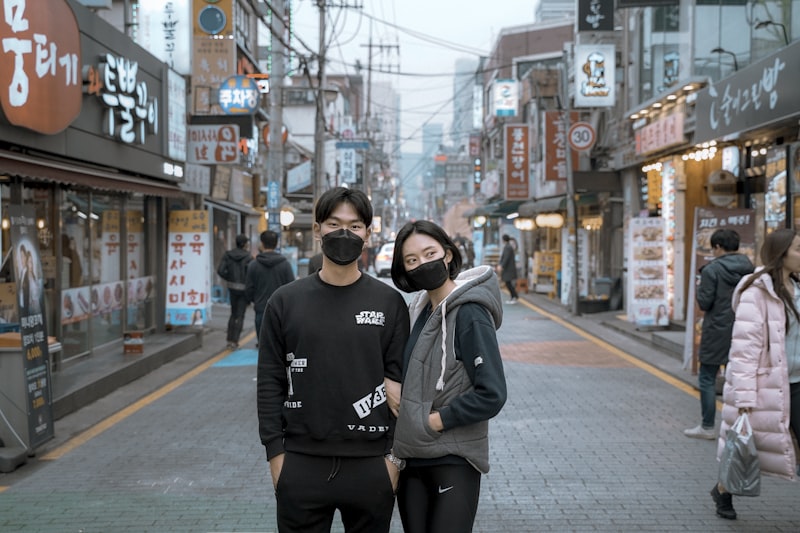
Seongsu-dong Seoul Guide: Korea's Brooklyn for First-Time Visitors
There is a version of Seoul that most first-time visitors never find. It is not in Myeongdong, where the beauty counters stay open until midnight and the tour groups follow their guide flags through narrow streets. It is not in Gangnam, where the glass towers and valet parking communicate a very specific kind of ambition. It is across the Han River, in a former industrial district called Seongsu-dong—and it is, for a certain kind of traveler, the most interesting neighborhood in the city.
The comparison to Brooklyn is imperfect but useful. Like Brooklyn in the 2000s, Seongsu-dong was left behind by the city's economic momentum—leather workshops, small factories, and repair shops filled the blocks that newer development had passed over. Like Brooklyn, that vacancy attracted a first wave of artists and designers who could afford the rents. And like Brooklyn, what followed was a transformation so complete and so rapid that long-time residents struggle to recognize their own neighborhood.
Today, Seongsu-dong is where Seoul's creative class lives, works, and is photographed. The coffee is serious. The stores carry things you will not find at any other address in the country. The walls are painted by artists whose work you would pay to see in a gallery. And the energy is, in the best sense of the word, unsettled—still becoming something, still surprising itself. That is what makes it worth your time.
| Info | Details |
|---|---|
| Nickname | Seoul's Brooklyn |
| Best hours | 11am – 8pm (most cafes & shops) |
| Nearest subway | Seongsu Station (Line 2, Exit 3) |
| Vibe | Indie cafes, vintage, local art, slow brunch |
| Budget | ₩10,000–30,000 for coffee + meal |
| Best season | Spring (April) and Autumn (October) |
Getting to Seongsu-dong
Seongsu-dong is straightforward to reach and easy to underestimate on a map. Take Seoul Subway Line 2 to Seongsu Station and use Exit 3. You will surface into a streetscape that feels immediately different from the polished commercial strips of central Seoul: lower buildings, wider sidewalks, a mix of old workshop facades and new signage.
The neighborhood is compact enough to cover on foot. From Exit 3, the main corridors of Seongsu-dong spread out within a ten-minute walk in any direction. If you are navigating for the first time, Naver Map is the essential tool for getting around Seoul—its walking directions in Seongsu-dong are reliable, and it identifies most of the area's notable cafes and stores by name.
Most visitors spend three to five hours here. A full day is reasonable if you arrive before 11am and plan to eat both a late breakfast and lunch before the afternoon crowds arrive.
Best Cafes in Seongsu-dong
Seongsu-dong is, among other things, Seoul's most concentrated specialty coffee district. This is not hyperbole. The density of serious roasters and barista-focused coffee shops in this neighborhood is unusual even by international standards.
Industrial-style specialty coffee defines the aesthetic here. Many of the neighborhood's original cafes occupy converted factory floors—high ceilings, exposed concrete, structural columns left intact, roasting equipment visible behind glass. The coffee is taken seriously in the way that certain neighborhoods in Melbourne or Portland take it seriously: single-origin espresso, manual brew options listed by varietal, staff who can tell you the processing method of every bean on the menu.
A second category is the concept cafe. Seongsu-dong has produced an unusual number of cafes built around a single, maximalist idea: a cafe designed entirely around a citrus theme, another that serves coffee exclusively in traditional Korean ceramic ware, another that recreates the interior of a 1970s Seoul apartment down to the furniture and wallpaper. These are not gimmicks—they are carefully considered design environments, and they generate the kind of photographs that fill travel feeds and, consequently, queues that begin before opening time on weekends.
The practical advice: arrive early on weekends. The most popular cafes, particularly those with strong visual identities, fill quickly and may implement timed entry systems. Weekday mornings are quieter and allow a more relaxed experience.
Best Restaurants & Food
Seongsu-dong's food scene mirrors its broader character: it is local first, internationally aware, and resistant to the predictable.
Local Korean restaurants occupy the streets away from the main thoroughfares. Look for the older establishments—the ones with handwritten signage and plastic chairs—that have survived the neighborhood's transformation by offering genuinely good lunch sets at neighborhood prices. The standard dosirak (lunch box) spots and jjigae restaurants in the area are used by the studio workers and leather craftspeople who remained after the wave of redevelopment, and they are noticeably better value than equivalent food in more tourist-facing districts.
Trendy brunch spots have proliferated in the last few years, and several of them are genuinely excellent rather than merely photogenic. Seongsu-dong's brunch culture skews toward Korean-Western fusion: sourdough made with Korean grains, eggs served alongside banchan, cold brew coffee poured over housemade rice milk. The quality threshold is high—the neighborhood's audience is discerning and local enough to punish mediocrity quickly.
Shopping & Pop-up Stores
Planning a trip to Korea?
Answer a few quick questions and get a personalized day-by-day itinerary — cities, food, and transit included. No sign-up needed.
Build My Korea Plan →Shopping in Seongsu-dong operates at a different register from the commercial strips of Hongdae or the department stores of Gangnam.
Korean designer brands with serious creative credentials have established flagship stores and studio spaces here. Footwear designers, leather goods labels, and clothing brands whose work circulates internationally but manufactures in Korea have all chosen Seongsu-dong as their home address. The prices reflect the quality, and the pieces are not available at any other retail point.
Weekend pop-up culture is one of the neighborhood's defining features—and one of its most compelling arguments for a weekend visit specifically. The pop-up market format, which has evolved significantly from its origins in flea markets, now encompasses product launches, collaborations between Korean brands, and temporary installations by visual artists. The specific events change weekly; checking the current schedule via social media the day before you visit is worth the five minutes it takes.
Art & Culture Spots
Galleries and art spaces are woven into the neighborhood's fabric rather than concentrated in a single cultural district. Small independent galleries occupy converted workshops, often without English signage—enter anyway. The work shown in Seongsu-dong's gallery circuit tends to be younger, more experimental, and less filtered by institutional taste than what you will find in the formal gallery districts of central Seoul.
Street art and murals cover a significant proportion of Seongsu-dong's exterior wall space. The quality is consistently high—this is not municipal decoration but work commissioned from artists whose primary audience is the neighborhood's creative community. The murals change with some regularity, and the best of them are worth photographing on their own terms, not merely as backdrops.
Best Time to Visit & Practical Tips
Weekday vs weekend: Weekdays before noon offer the quietest version of Seongsu-dong—cafes are accessible without queuing, staff have time for conversation, and the neighborhood functions as a working creative district rather than a tourist destination. Weekend afternoons are the opposite: the pop-up markets are active, the queues are real, and the energy is considerably higher. Both versions are worth experiencing; which you prefer depends on what you are looking for.
What to wear: Seongsu-dong has developed its own visual language, and visiting well-dressed is not vanity—it is a form of attention paid to a neighborhood that takes aesthetics seriously. The dominant register is creative-casual: well-made basics, interesting shoes, considered layering. The neighborhood's photogenic quality is high regardless of what you wear, but the best backgrounds—the industrial walls, the gallery interiors, the carefully designed cafe spaces—reward an outfit that matches the environment's intentionality.
Navigation: Download Naver Map before you arrive and save Seongsu Station as your anchor point. The neighborhood's best spots are rarely marked on international maps, but Naver's coverage of Seongsu-dong is comprehensive.
If you are planning your broader Seoul accommodation around day trips to areas like Seongsu-dong, choosing the right neighborhood as your base changes the logistics significantly. This guide to Seoul's best neighborhoods for first-time visitors covers the trade-offs in detail. For a complete picture of Seoul beyond the tourist circuit, Seongsu-dong is one of several areas that will extend your understanding of what this city actually is.
Where to Stay Near Seongsu-dong
Accommodation options within Seongsu-dong itself are limited—most visitors use it as a day trip from bases in Hongdae, Seochon, or Gangnam. If you want to stay close to the neighborhood, guesthouses and boutique hotels in nearby Konkuk University area offer the best combination of price and proximity.
Frequently Asked Questions
What is Seongsu-dong known for?
Seongsu-dong is known as Seoul's Brooklyn — a neighborhood of indie cafes, vintage clothing shops, local art spaces, and converted industrial buildings. It's especially popular with young Koreans and tourists.
What time does Seongsu-dong open?
Most cafes and shops in Seongsu-dong open around 11am and close by 8–9pm. Some trendy cafes open earlier at 9–10am on weekends.
How do I get to Seongsu-dong from central Seoul?
Take Seoul Subway Line 2 to Seongsu Station and use Exit 3. From Hongdae it's about 20 minutes, from Myeongdong about 15 minutes.
Is Seongsu-dong worth visiting in 2026?
Yes — Seongsu-dong remains one of Seoul's most visited neighborhoods in 2026. New cafes and pop-up stores keep opening, making each visit feel different.
How much does it cost to spend a day in Seongsu-dong?
Budget around ₩20,000–40,000 for coffee, brunch, and browsing. Most cafes cost ₩6,000–9,000 per drink.
Make a plan that fits your trip
This guide gives one version. Get one built around your own dates, budget, and interests — with Korean place names you can paste straight into Naver Map. No sign-up needed.
Build My Korea Plan →