Gwangju Travel Guide 2026: May 18th Memorial and Food City
“The city that changed Korean history — and became its food capital.”
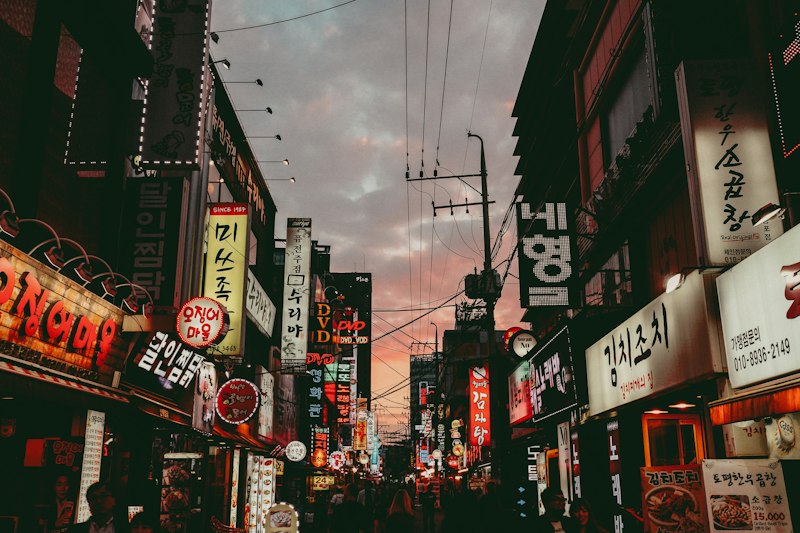
Gwangju: Korea's Food Capital and Its Most Important Memorial
Gwangju occupies an unusual place among Korea's regional cities. It is where the 1980 democratization movement unfolded, an event that reshaped the country's political trajectory and still shapes how Koreans talk about civic memory today. It is also, by wide consensus among Koreans themselves, where the food is best — a claim that gets made about a lot of regional cities, but one that holds up unusually well once you've eaten a proper Jeolla-style meal here. Most visitors know Gwangju by reputation rather than experience, if they know it at all, and that's mostly a function of geography: it sits far enough from Seoul that it doesn't make the standard first-timer itinerary, and far enough from Busan that it doesn't get folded into a southern coast trip either.
That's a mistake worth correcting, and correcting it doesn't require much. A direct KTX line from Seoul makes Gwangju entirely workable as a day trip, and an overnight stay opens up enough extra ground — a national park, a night market, one more meal — to make the trip feel complete rather than rushed. This guide covers how to get there, what the memorial sites actually involve, why the food reputation is deserved, and how to structure the day whether you're staying a few hours or a full night.
Getting to Gwangju from Seoul
The KTX is the obvious choice and the fastest one. Trains leave from Yongsan Station in Seoul and arrive at Gwangju Songjeong Station, the KTX terminus serving the city, in about 1 hour 40 minutes. A one-way standard seat runs ₩46,800, and trains depart frequently enough through the day that booking a specific slot rarely requires much advance planning outside of holiday weekends. For anyone unfamiliar with the booking process, seat classes, or how Korail's English-language system works, the KTX foreigner guide walks through the full process, including the KR Pass option if Gwangju is one stop on a longer multi-city rail itinerary.
Gwangju Songjeong Station sits on the edge of the city, not in the center, so the trip isn't quite over once the train pulls in. Line 1 of the Gwangju metro connects the station directly to downtown, and the ride into the city center takes about 20 minutes for ₩1,500. It's a straightforward transfer with clear signage, and a T-money card works on the Gwangju subway the same way it does everywhere else in the country.
Bus is the budget alternative, and it's a real one rather than a token option. Buses run from Seoul's Central City Terminal to Gwangju's U-Square Terminal in around 3 hours 30 minutes, with fares around ₩22,100. Nearly twice the travel time of the KTX for less than half the cost — for travelers working a tighter budget, or those who'd rather not commit to a fixed train departure time, the bus is a genuinely reasonable way to make the trip.
The May 18th Memorial Sites
Gwangju's modern identity is inseparable from what happened here in May 1980, when a student-led pro-democracy uprising was met with a military crackdown that killed hundreds of civilians. The event, now commonly referred to as the May 18th Democratization Movement, became a turning point in Korea's long and difficult transition away from authoritarian rule, and Gwangju's memorial sites treat that history with a weight that's rare for a regional tourist stop.
The May 18th National Cemetery sits on the northern outskirts of the city, about a 20-minute taxi ride from downtown. It's open daily from 9am to 6pm and free to enter. Rows of graves, memorial sculptures, and a museum on the grounds document both the individual victims and the broader arc of the movement. It's a heavier stop than most sightseeing itineraries include, and the visit lands differently depending on how much context you bring with you — reading up on the events beforehand, even briefly, makes the site far more legible than arriving without any background at all.
Closer to downtown, the May 18th Memorial Park and Democratization Movement Memorial Hall is free and easy to combine with a city-center day. The exhibition inside walks through the timeline of the uprising with photographs, personal accounts, and artifacts from the period, and it's a more approachable entry point than the cemetery for anyone visiting with limited time.
The former South Jeolla Provincial Office building was the actual center of the standoff in 1980 — the site where citizens made their final stand — and it now sits within the grounds of the Asia Culture Center complex. Its role in the events isn't heavily marked for casual passersby, which makes a bit of prior reading useful before wandering through; without that context, it just looks like an old government building attached to a newer cultural complex, which undersells what happened there considerably.
Asia Culture Center (ACC)
The Asia Culture Center sits on the former provincial office grounds in the heart of downtown Gwangju, and it's one of the largest cultural complexes of its kind in Asia, with roughly 160,000 square meters of floor space split across five main divisions: a children's culture center, a culture information center, a democracy and peace exchange center documenting the 1980 movement, a theater, and a culture creation center for exhibitions and performances.
Admission to the complex itself is free, though specific exhibitions and performances inside sometimes carry their own ticket price. The center is open Tuesday through Sunday from 10am to 6pm and closed on Mondays, which is worth checking before building it into a tight schedule.
The building's design is part of what makes it worth visiting on its own terms — most of the complex is built underground, with the surface given over to open park space above it, so from street level it barely registers as a building at all. Wandering between the sunken courtyards and the exhibition halls below takes a bit of orientation the first time through. Budgeting at least two to three hours for the ACC is realistic if you want to see more than a fraction of what's there, and that's before accounting for anything running in the theater or a special exhibition that might extend the visit further.
Gwangju Food: Why This City Has Korea's Best Home Cooking
Planning a trip to Gwangju?
Answer a few quick questions and get a personalized day-by-day itinerary — cities, food, and transit included. No sign-up needed.
Build My Gwangju Plan →Ask Koreans from other regions where the best food in the country is, and Jeolla province — the broader region that includes Gwangju — comes up more often than anywhere else. The reasoning tends to center on the sheer abundance of side dishes that accompany a meal here, a tradition rooted in the region's historically fertile farmland and its access to both mountain produce and coastal seafood.
Hanjeongsik is the dish to seek out if you only have one meal in the city. It's a full Korean table setting built around dozens of individual banchan, arranged around a central protein or stew, and it's less a single dish than an entire spread designed to be worked through slowly. Restaurants around downtown Gwangju serve hanjeongsik for anywhere between ₩15,000 and ₩30,000 per person, and the quality-to-price ratio compares favorably with almost anywhere else in the country.
Sangmu District is where a lot of the city's newer restaurant and cafe energy has concentrated, with a denser cluster of modern dining options than you'll find around the older downtown core — useful for anyone wanting a contemporary meal or coffee break between sightseeing stops rather than another traditional restaurant.
Right outside Gwangju Songjeong Station, the 1913 Songjeong Station Market is a compact, old-school alley market that's easy to fold into either end of a trip. It's built around simple, unfussy food — rice cakes, gukbap, and various traditional snacks sold from small stalls along the alley — and it works especially well as a stop right before boarding the train back to Seoul or right after arriving, since it sits so close to the station platform.
Gwangju Day Trip Itinerary
A single day out of Seoul is enough to see the core of what makes Gwangju worth visiting, provided the schedule is built around an early train. Here's a workable outline for a day trip:
That schedule covers the ACC and the more central memorial sites but leaves out the May 18th National Cemetery, which sits far enough outside downtown that fitting it into a same-day round trip gets tight. Anyone wanting to include the cemetery, or simply wanting a slower pace, is better served by staying overnight. An extra day makes room for a hike up Mudeungsan National Park, the mountain that forms Gwangju's natural backdrop, along with an evening at the Chungjang-ro night market for a more relaxed second dinner. Travelers stitching Gwangju into a longer route through the south should check the 10-day Korea itinerary for how it can slot in alongside other regional stops without turning the trip into a rail marathon.
Where to Stay in Gwangju
An overnight stay opens up the fuller version of the trip described above, and Gwangju's lodging options make that easy regardless of budget. Business hotels convenient to Gwangju Station and downtown start around ₩60,000 a night, and a scattering of boutique guesthouses in the older parts of the city run from about ₩80,000, generally with more character and a quieter setting than the standard business hotel option.
Practical Notes
Spring, from April through May, and fall, from September through November, are the strongest windows for a Gwangju visit, with mild weather for walking between sites and clearer conditions for anything involving Mudeungsan. Visiting around May 18th itself changes the tone of the trip somewhat — memorial ceremonies and a more solemn atmosphere take over the anniversary period, and for travelers with an interest in the history, that timing can make the visit considerably more meaningful rather than less.
The area around Gwangju Songjeong Station is well equipped for a same-day arrival or departure, with enough convenience stores and cafes nearby to grab a coffee or a quick meal before boarding. The 1913 Songjeong Station Market itself keeps daytime hours mostly, and a fair number of its stalls close up by evening, so it suits a stop on the way in or out rather than a late dinner plan.
For anyone budgeting the trip as part of a wider Korea itinerary, the Korea travel budget guide breaks down how a day trip or overnight like this fits into daily spending across different travel styles, which is useful context before deciding between the KTX and the bus for the Seoul leg. The Gwangju city guide covers neighborhoods and orientation for anyone extending beyond a single day trip.
Make a Gwangju plan that fits your trip
This guide gives one version. Get one built around your own dates, budget, and interests — with Korean place names you can paste straight into Naver Map. No sign-up needed.
Build My Gwangju Plan →