Sokcho Travel Guide 2026: Seoraksan and Abai Village
“Korea's gateway to Seoraksan National Park, a refugee fishing village built across a lagoon, and the freshest catch on the east coast — no direct train yet, so here's how the bus actually works.”
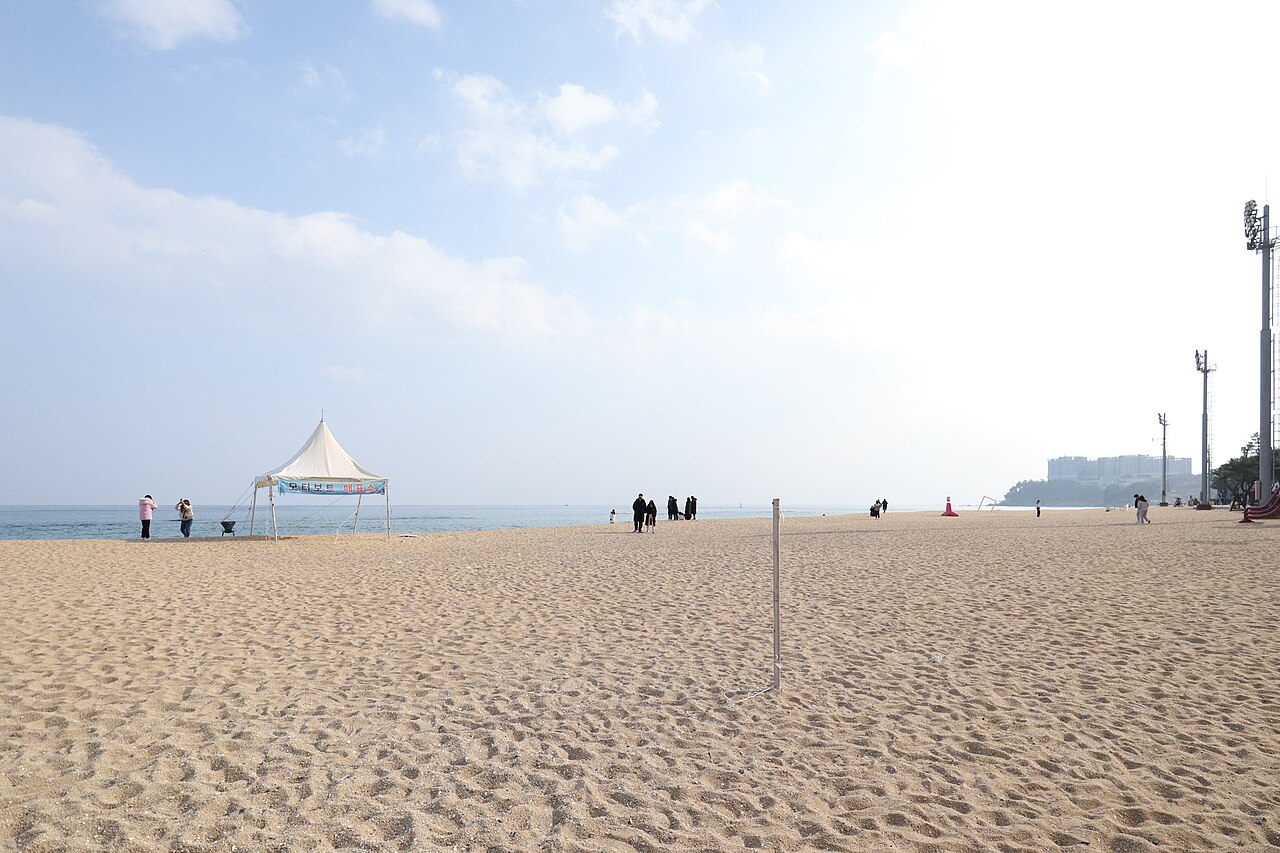
Sokcho Travel Guide 2026: Seoraksan National Park, Abai Village and the East Coast by Bus from Seoul
Sokcho sits where Seoraksan National Park meets the East Sea, and that combination is basically the whole reason to go. Most Korean regional cities pick a lane, mountains or coast, history or food, but Sokcho does both at once, close enough together that a cable car ride up to a granite ridge and a bowl of raw fish soup by the harbor can happen on the same afternoon. The city's other defining feature has nothing to do with scenery: Abai Village, a narrow spit of land across the Cheongcho Lagoon, was settled by refugees from Hamgyong Province who fled south during the Korean War and never made it back. The sausage they brought with them, now called abai sundae, is sold across the city, and the lagoon crossing they still use, a hand-pulled ferry with no engine, remains one of the more unusual short trips available anywhere in Korea.
None of this is hard to reach, but it does take some planning, because Sokcho is one of a small number of major Korean destinations without a train station. Getting there means a bus, and while that's a minor inconvenience compared to the KTX routes most visitors get used to elsewhere in the country, it changes how the trip should be timed. A direct rail line connecting Seoul to Sokcho is under construction, but it isn't open yet and won't be for a few more years, so anyone building a 2026 itinerary should plan around the bus as the standard way in and out.
Getting to Sokcho from Seoul
Sokcho has no train station and no direct rail connection from Seoul. This surprises a fair number of first-time visitors, especially those who have already taken the KTX to somewhere like Gangneung or Busan and assume every regional city works the same way. The Chuncheon-Sokcho railway line, which will eventually connect to the Gyeongchun Line and bring KTX service to Sokcho in around 1 hour 40 minutes from Yongsan, has been under construction since 2022, but it isn't scheduled to open until December 2029. For 2026 travel, the bus is the only direct option, and it's worth building the trip around that fact rather than around a train schedule that doesn't exist yet.
| Departure | Duration | Fare (one-way) |
|---|---|---|
| Seoul Express Bus Terminal, Gyeongbu side (서울고속버스터미널) | ~2h 50m–3h | ₩15,700–₩19,700 |
| Dongseoul Terminal (동서울터미널) | ~2h 20m | ₩15,700–₩18,800 |
Seoul Express Bus Terminal, on subway Lines 3, 7, and 9, runs the more frequent service, with departures roughly every 30 minutes. The standard one-way fare runs around ₩15,700, rising to about ₩19,700 for a premium (우등) seat with extra legroom, worth the upgrade on a ride that can stretch close to three hours in weekend traffic. Dongseoul Terminal (동서울터미널), on Line 2 at Gangbyeon Station, runs a slightly faster service to Sokcho Intercity Bus Terminal, generally around 2 hours 20 minutes, and is the more convenient departure point for anyone staying in eastern Seoul. Both terminals sell tickets through the KoBus website and app, which handle English-language bookings.
A KTX-plus-bus route through Gangneung exists as well. The Gangneung Line KTX runs about 1 hour 50 minutes from Seoul Station, followed by a regional bus north to Sokcho that adds another hour and a half or so on top. It ends up costing more and taking longer than the direct bus, and it only makes sense as an itinerary choice if a Gangneung stop is already part of the plan. If Sokcho is the actual destination, the direct bus is the straightforward option.
Seoraksan National Park: What to Know
Seoraksan is Korea's most visited national park, and Gwongeumseong Fortress is the viewpoint most visitors aim for first. Getting there without a multi-hour hike involves the Seoraksan cable car, which climbs about 1,132 meters from the base station near Sinheungsa Temple to a lookout point roughly 700 meters above sea level, taking around five minutes each way with cabins departing every seven minutes on a normal day. Round-trip tickets cost ₩16,000 for adults and ₩12,000 for children, and only round-trip tickets are sold. Operating hours run 9am to 6pm in spring and fall, extending to 6:30pm in summer and shortening to 5pm in winter, though the cable car is weather-dependent and can close on short notice for wind. The operator posts the day's status each morning rather than guaranteeing a fixed schedule, which is worth checking before setting out on a day built entirely around the summit view.
Sinheungsa Temple sits along the same approach path, a short walk before the cable car base station, and carries no separate entrance fee since Korea eliminated admission charges at national park temples in 2023. The temple itself is modest compared to some of Korea's larger historic complexes, but the giant bronze seated Buddha statue just outside its gate has become one of the more photographed landmarks in the park.
From downtown Sokcho, city buses 7 and 7-1 run to the Seoraksan entrance in about 30 minutes, a straightforward ride that doesn't require a car or taxi. Weekday mornings keep both the buses and the cable car queue manageable; weekend and holiday visits, particularly during the October foliage season, mean longer lines at both.
For visitors who'd rather hike than ride, the trail up to Ulsanbawi, a bare granite ridge with six jagged peaks visible from much of the surrounding coastline, starts near the same base area as the cable car and takes most people three to four hours round trip, including roughly 800 steel steps near the summit. It's a legitimate alternative to the cable car rather than a supplement to it. Trying to fit both into one visit, along with everything else Sokcho has to offer, is where a single day trip starts to feel rushed.
Sokcho Food
Abai sundae is the dish most closely tied to the city's identity, a blood sausage made with pork, rice, and vegetables that Hamgyong Province refugees adapted from a northern recipe using whatever was available after settling in Abai Village. It's heartier and less spiced than the sundae sold elsewhere in Korea, generally served sliced with a simple salt or gochujang dip, and a plate runs somewhere around ₩12,000 to ₩15,000 depending on the restaurant and portion size.
Mulhoe is the other essential order, a cold raw fish dish served in a tangy, slightly spicy broth thinned with ice water and vinegar rather than the thicker sauce used for hoedeopbap elsewhere in Korea. Sokcho's version leans on whatever the boats brought in that morning, most often flounder or rockfish, and a bowl typically costs ₩15,000 to ₩20,000. Between the two, mulhoe is the better starting point for anyone unfamiliar with raw fish preparations, since the broth's acidity does most of the work in making the dish approachable.
Sokcho Tourist Fish Market (속초관광수산시장), a few minutes on foot from the central bus terminal, is the most reliable place to find both dishes along with a wide range of grilled and raw seafood sold by weight. Stalls operate independently, so prices and quality vary somewhat between vendors, but the market's proximity to the bus terminal makes it a natural stop right after arrival or right before departure. Dakgangjeong, the sticky-sweet fried chicken that turns up in markets across the country, has a strong following here too, and it travels well enough to carry onto the bus as a snack for the ride home.
Sokcho Trip Itinerary
Planning a trip to Sokcho?
Answer a few quick questions and get a personalized day-by-day itinerary — cities, food, and transit included. No sign-up needed.
Build My Sokcho Plan →Seoraksan alone can fill a full day, and once Abai Village, the fish market, and the harbor are added in, trying to compress all of it into a single day trip from Seoul tends to leave one piece rushed or skipped entirely. An overnight stay is the more comfortable way to see Sokcho properly, and given how much a bus ride already eats into the day at both ends, staying a night removes that pressure without adding much cost.
A workable two-day outline: arrive by late morning on day one, head straight to Seoraksan for the cable car and Sinheungsa Temple, and spend the afternoon on the mountain before the crowds thin out toward closing. Evening is for the fish market and a first mulhoe or abai sundae dinner near the harbor. Day two opens with the gaetbae ferry crossing to Abai Village, a slow, engine-free pull across the Cheongcho Lagoon that takes only a couple of minutes but sets the tone for a quieter morning walking the village's narrow lanes before the afternoon bus back to Seoul.
Travelers with only a single day available can still make it work by prioritizing Seoraksan in the morning and the fish market in the late afternoon, accepting that Abai Village becomes the piece that gets cut. It's a reasonable trade if a full Sokcho trip isn't in the cards, but the two-day version is where the city actually delivers on both halves of its reputation.
Where to Stay in Sokcho
Lodging in Sokcho splits mainly between beachfront hotels along Sokcho Beach, generally the most convenient base for an evening at the fish market and an early bus back the next day, and smaller guesthouses closer to the Seoraksan entrance, which cut down on travel time for anyone prioritizing an early start on the mountain. Beachfront options start around ₩70,000 to ₩90,000 a night in the standard season, with prices climbing during summer weekends and the October foliage period. A third option, quieter than either, is the area around Yeongrangho Lake north of downtown, which trades some walkability for a calmer setting and easier parking for anyone renting a car for the trip.
Practical Notes
October is Seoraksan's busiest month by a wide margin, when the park's maple and oak cover turns and foliage-chasers from across the country descend on the same narrow window of a few weeks. Buses from both Seoul terminals sell out well in advance during this period, sometimes days ahead for weekend departures, so booking tickets as soon as travel dates are set is worth the extra step rather than assuming a same-day ticket will be available.
Coastal weather shifts faster in Sokcho than it does in Seoul, and wind off the East Sea is the main reason the cable car occasionally closes with little warning even on an otherwise clear day. Checking the forecast the morning of a Seoraksan visit, rather than the night before, gives a more accurate read. Most restaurants around the fish market and downtown accept card payment, but a handful of the smaller stalls inside the market itself are cash-preferred, so carrying some won is worth doing regardless of how the rest of the trip is budgeted. Naver Map handles navigation and bus routing more reliably than Google Maps throughout the city.
For anyone extending a Korea trip with rail travel elsewhere, the KTX foreigner's guide covers booking through Korail Talk and how seat classes work, useful background even though it doesn't apply to the Sokcho leg itself. The Korea travel budget guide breaks down how a bus-heavy regional stop like this fits into daily spending compared to KTX-based itineraries. And for travelers weighing whether to combine Sokcho with a KTX-accessible coastal stop, the Gangneung travel guide covers the nearest East Sea city with direct rail service, about two hours south along the coast.
Make a Sokcho plan that fits your trip
This guide gives one version. Get one built around your own dates, budget, and interests — with Korean place names you can paste straight into Naver Map. No sign-up needed.
Build My Sokcho Plan →