Best Day Trips from Seoul (2026): Ranked by Travel Time
“Eight escapes from the capital, ranked by effort — from a subway ride to a border checkpoint.”
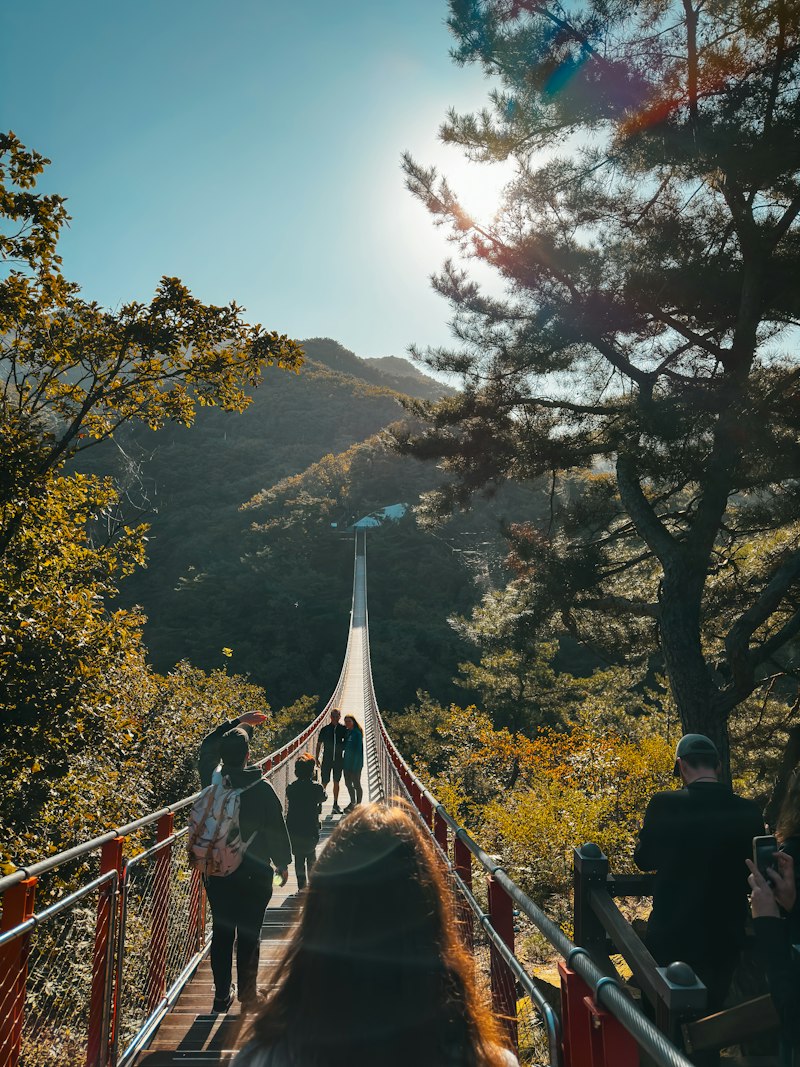
Seoul's position makes an unusual amount of the country reachable in a morning: a UNESCO fortress city sits on the metro network, the mountains and the east coast are under two hours by KTX, and the most heavily fortified border on earth is an hour up the road. The problem isn't finding a day trip — it's that most lists rank them by fame, which says nothing about whether a destination fits the day you actually have. Fame is why people burn four hours of transit on a trip that needed an overnight stay, and skip the one that was a subway ride away.
This page ranks the eight day trips covered on this site by the thing that decides whether a day trip works: how hard it is to get there and back. Everything below is reachable without a car, and every entry links to a full guide with the transit detail, itineraries, and food.
Every Day Trip at a Glance
| Destination | Getting There | One-Way Cost | Best For |
|---|---|---|---|
| Suwon | Subway Line 1, ~50 min express | ~₩1,900 | Easiest overall — fortress + fried chicken |
| Incheon | Subway Line 1, ~1 hr 10 min | ~₩2,000 | Chinatown food, no planning needed |
| Chuncheon / Nami Island | ITX from Cheongnyangni, ~1 hr 10 min | ~₩10,000 | Lake scenery, dakgalbi, the famous island |
| Gangneung | KTX, ~1 hr 50 min | ₩27,600–29,000 | Beaches and coffee on the east coast |
| Jeonju | KTX, ~1 hr 50 min | ₩22,500–28,000 | Hanok village and Korea's best food city |
| Gyeongju | KTX ~2 hr + 15–20 min transfer | ₩54,500 | Silla history — better as an overnight |
| Sokcho | Express bus, ~2 hr 20 min | ~₩20,000 | Seoraksan hiking and a working harbor |
| DMZ | Licensed tour only, early departure | ₩50,000–60,000 (tour) | The border — no independent access |
The pattern worth noticing: cost and complexity rise together. The two cheapest trips on the list run on a T-money card with zero planning, the mid-tier needs a train booking, and the last entry needs a passport and a reservation. Matching the trip to the amount of planning energy available is most of the decision.
Under 1 Hour: Suwon and Incheon
Suwon is the best effort-to-payoff ratio on this list and the right default for a first day trip. Line 1 runs there directly — about fifty minutes on the express — and the day writes itself: walk the best stretch of the UNESCO-listed Hwaseong Fortress wall, see Hwaseong Haenggung palace, and end in Tongdak Alley, where family-run shops have been frying whole chickens since the 1970s. It works as an afternoon-and-evening plan, which no other trip here can claim, and night entry to the fortress is free. The Suwon day trip guide has the full routing.
Incheon is the low-stakes option: the same Line 1, a bit further, no landmarks that demand a checklist. Korea's oldest Chinatown — the birthplace of jjajangmyeon — plus the Songdo waterfront make it a food-first wander rather than a sightseeing mission. The full Incheon travel guide has a one-day routing that covers both Chinatown and Songdo, and the Incheon city page has more detail for a longer stay.
1–2 Hours: Chuncheon, Nami Island, Gangneung, Jeonju
Chuncheon and Nami Island share a train line and usually a single day. The ITX-Cheongchun from Cheongnyangni Station reaches Chuncheon in about an hour and ten minutes; for Nami Island, get off one stop earlier at Gapyeong — the mistake to avoid is riding to Chuncheon first and backtracking. Chuncheon itself is dakgalbi country, and the combination of the island in the morning and the spicy chicken street in the afternoon is the classic version of this trip. The Chuncheon guide covers the sequencing.
Gangneung is the east coast compressed into a KTX ride: under two hours from Seoul to beaches, the Anmok coffee street, and Chodang's tofu village. It's the day trip that feels furthest from the city per hour of transit spent. Full detail in the Gangneung guide.
Jeonju is the food trip. The hanok village photographs well, but bibimbap in its home city and a kongnamul-gukbap breakfast are the real reasons to go — the Jeonju Hanok Village guide explains how to do it in a day and why two is better.
The Stretch Picks: Gyeongju and Sokcho
Gyeongju works as a day trip only with an early start and honest expectations. The KTX takes about two hours to Singyeongju Station, which sits outside the city center — budget another 15 to 20 minutes by bus or taxi, a transfer that catches travelers who assume the train drops them at the tombs. That leaves six or seven hours for a city that rewards twice that; the Gyeongju guide makes the case for the overnight version.
Sokcho has no KTX — the express bus from Seoul takes about 2 hours 20 minutes — and it earns the ride with Seoraksan National Park next door and a harbor town that eats well. As a day trip it means choosing between the mountain and the town; the Sokcho guide helps make that choice. For how Korea's trains and buses divide up these routes generally, the regional transit guide is the reference.
The Special Case: The DMZ
The DMZ is the one entry here that can't be done independently — access runs through licensed group tours with passport checks, booked at least a few days ahead. Half-day tours cover the Third Tunnel, Dora Observatory, and Unification Village and have you back in Seoul by early afternoon, which makes this the rare "big" trip that still leaves half a day for the city. The exception to the tour rule is Imjingak, the border park reachable by ordinary train and bus. The DMZ tour guide covers the formats, the JSA situation in 2026, and the no-tour option.
Picking the Right One
For a first Korea trip with one spare day, Suwon is the answer more often than not — it's the only entry that doesn't consume a full day, and nothing on this list beats its ratio of things seen to effort spent. With a full day and a train booking, the choice is really about appetite: Jeonju for food, Gangneung for the coast, Chuncheon and Nami for scenery close to the capital. The DMZ is the pick when the interest is specific, and Gyeongju and Sokcho are the two that reward converting a day trip into an overnight rather than forcing them into one.
Two practical notes that apply across the list. First, every rail trip here leaves from a different Seoul station — Line 1 for Suwon and Incheon, Cheongnyangni for the ITX, Seoul Station or Cheongnyangni for eastbound KTX — so check the departure station before checking times; the Seoul transportation guide covers how the network fits together. Second, for anyone stacking several of these trips in one itinerary, the KR Pass vs individual tickets breakdown covers when a rail pass starts paying for itself.
Frequently Asked Questions
What is the easiest day trip from Seoul?
Suwon. It sits directly on Seoul Subway Line 1 — about 50 minutes on the express train for roughly ₩1,900 — with no bookings needed, and the UNESCO-listed Hwaseong Fortress and Tongdak Alley fried chicken fit into a single afternoon and evening.
Which day trips from Seoul work without a car?
All of the major ones. Suwon and Incheon are on the subway network, Chuncheon and Nami Island are on the ITX line from Cheongnyangni, Gangneung and Jeonju are direct KTX rides, Gyeongju is KTX plus a short bus or taxi transfer, and Sokcho runs on express buses. The DMZ requires a tour, which includes transport.
How do you get to Nami Island from Seoul?
Take the ITX-Cheongchun train from Cheongnyangni Station and get off at Gapyeong Station — one stop before Chuncheon — then a short shuttle or taxi to Gapyeong Dock for the ferry. Don't ride to Chuncheon first; Nami Island's stop is Gapyeong.
Can you do Gyeongju as a day trip from Seoul?
Yes, with an early start. The KTX takes about 2 hours to Singyeongju Station plus a 15–20 minute transfer into the city, leaving roughly 6–7 hours to explore. It works, but Gyeongju rewards an overnight stay more than any other destination on this list.
What is the cheapest day trip from Seoul?
Suwon and Incheon, both reachable on the subway network with a T-money card for around ₩2,000 each way. Suwon adds only the ₩1,000 fortress admission, and Incheon's Chinatown costs nothing to wander.
Make a plan that fits your trip
One day trip is easy to slot in. The planner works out where it sits among your Seoul days and which ones it replaces. No sign-up needed.
Build My Korea Plan →