Korea Autumn Foliage 2026: Where and When to See Fall Colors
“The color moves south over about six weeks — a route timed to catch it at Seoraksan, Seoul, Naejangsan, and Gyeongju.”
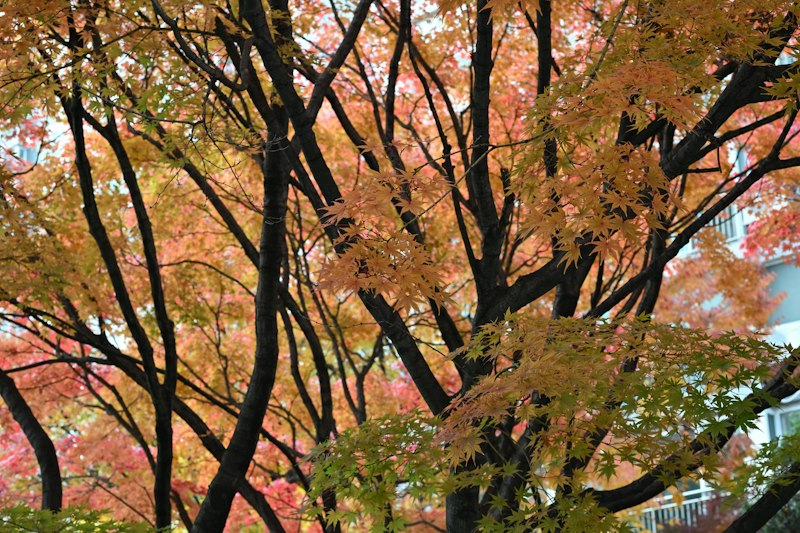
Korea's foliage doesn't turn all at once. It starts on the high ridgelines of Seoraksan in early October and rolls south over roughly six weeks, reaching the southern tip of the peninsula by mid-November. That six-week spread is the reason a single well-timed trip can catch three or four distinct peaks instead of one — the color simply hasn't arrived everywhere at the same time.
Two 2026 forecasts are out. The private forecaster Weather i published first, on September 4: first color on Seoraksan around October 3, peak on Seoraksan and Odaesan between October 16 and 25, the central region peaking October 31 to November 5, and Jirisan and the south November 5 to 13. The Korea Forest Service and the Korea National Arboretum followed on September 22 with their peak-foliage map: Seoraksan October 20, Songnisan October 28, Naejangsan November 4 and Hallasan November 6, with most of the country at peak in late October. The two differ by a few days because they define peak differently — the Forest Service counts it at 50% of a mountain in color, Weather i at 80% — so read the Forest Service date as the color arriving in earnest and the Weather i date as its fullest point.
The Korea Meteorological Administration (KMA) doesn't forecast foliage; it records it. It logged Seoraksan's first color on September 28, exactly on its 30-year average, and its Nalssi Nuri weather site posts photos of 21 mountains at each stage through late November — the place to see what is actually happening in the week before you go.
Korea's Autumn Timeline, Region by Region
Foliage in Korea moves along two axes: north to south, and high elevation to low. Mountains turn before cities at the same latitude, and northern regions turn before southern ones — which is why Seoraksan, in the northeast at real elevation, is reliably first, and Naejangsan, in the low-lying southwest, is reliably last.
In a typical year, first color appears on Seoraksan's upper slopes in late September, with the mountain reaching full peak somewhere between mid and late October. Seoul and the central region — including Nami Island and Gapyeong — usually peak from late October into mid-November, about two to three weeks behind Seoraksan. Gyeongju, in the southeast, tends to follow a similar window to Seoul, sometimes running a few days later. Naejangsan, tucked into the southwest, is consistently one of the last major peaks in the country, often holding color into late November when everywhere else has already dropped.
Two things shift these windows year to year: a warm autumn pushes everything later, and a cold snap can compress the whole schedule into a shorter, more dramatic window. This year is running close to that pattern: the Forest Service puts 2026 peaks less than a day behind the five-year average, and Seoraksan's first color, which Weather i expected five days late, arrived on its usual date.
Seoraksan: The First Color (Mid-to-Late October)
Seoraksan National Park, outside Sokcho on the northeast coast, is where Korea's foliage season opens. The park's elevation change means the mountain effectively has its own extended season in miniature — color starts on the upper ridges near Daecheongbong and works its way down to the base over one to two weeks, so a visit anywhere in that window usually catches something, even if the exact peak has already passed at altitude.
The cable car to the Gwongeumseong Fortress viewpoint is the fastest way to get above the tree line without a full-day hike, and it's the single most crowded queue in the park during peak weekends — arriving at opening time is the difference between a short wait and an hour-plus line. Below the cable car, the Biseondae trail is an easier walk through dense forest that turns as dramatically as anywhere in the park, without requiring the fitness or time commitment of a summit attempt.
Sokcho has no direct KTX connection, so getting there means a bus from Seoul — the Sokcho travel guide covers the full route, timing, and fares. Because this is also peak leaf-viewing season for domestic travelers, weekend buses sell out days in advance during the park's busiest two or three weeks — booking the outbound and return legs as soon as a travel date is set is worth doing here more than almost anywhere else on this route.
Seoul and Nami Island: The Convenient Middle Stretch
By the time color reaches the capital, it shows up in two very different settings. Seoul's palaces — Changdeokgung's Secret Garden in particular — turn into some of the most photographed foliage spots in the country, with maple and gingko color set against traditional architecture. The Han River's cycling paths and Namsan's slopes turn at roughly the same time, giving visitors staying centrally plenty of color within a short subway ride, no day trip required.
Nami Island, about an hour from Seoul near Gapyeong, is the other half of this stretch. It's a car-free river island best known for the tree-lined avenues that appeared in the drama Winter Sonata, and its metasequoia and ginkgo lanes are one of the more reliably photogenic foliage spots within easy day-trip range of the capital. The day trips from Seoul guide covers the Gapyeong train connection and how to pair Nami Island with Chuncheon in the same day.
This stretch is the most forgiving part of the route to plan around, since it doesn't depend on a single narrow window the way Seoraksan or Naejangsan do — the city and the island tend to hold good color for two to three weeks rather than peaking sharply and dropping.
Naejangsan: Korea's Most Famous Foliage Tunnel
Naejangsan National Park, in the southwest near Jeongeup in North Jeolla Province, is where Korean travelers themselves go for foliage — it's consistently named among the country's best autumn destinations in domestic surveys, and it earns the reputation. The approach road into the park, lined with mature maples that form a tunnel of red overhead, is the single most photographed stretch in the park, and Baekyangsa Temple's grounds add a temple-and-foliage combination that's harder to find elsewhere on this route.
Because Naejangsan sits furthest south and lowest in elevation of the four stops here, it turns last — peaking in early-to-mid November (November 4 on the Forest Service's 2026 map), when Seoraksan's color is long gone. That makes it the natural closing stop on a foliage-focused trip rather than an early one, even though it comes third in the geographic loop this guide follows.
The nearest city with regular transport connections is Gwangju, about 40 minutes away by car or local bus, with onward KTX service back to Seoul. There's no direct train to Naejangsan itself, so most visitors either rent a car for this leg or join a bus tour that handles the transfer from Gwangju or Jeonju.
Gyeongju: Ancient Sites in Autumn Color (Early-to-Mid November)
Gyeongju closes the loop back toward Seoul, and autumn is arguably its best season for photography. Bulguksa Temple's stone terraces and wooden halls, already among Korea's most visited historic sites, take on a different character with maple color framing the architecture. Woljeonggyo Bridge, reconstructed in Silla-era style, reflects its ginkgo-lined banks in the water below at dusk — a scene that draws photographers specifically for the autumn light. Around Daereungwon, the burial mounds of Silla kings sit inside a park where the surrounding trees turn gold well before the rest of the city.
The full breakdown of what to see, how long to stay, and how to get there from either Seoul or Busan is in the Gyeongju day trip guide — the foliage-specific detail here is about timing: Gyeongju's peak tends to land close to Seoul's, slightly later some years, which makes it a workable final stop before heading back.
Planning the Route: How to Sequence It
Planning a trip to Korea?
Four stops need eight or nine days. Tell the planner your dates and it picks the two that fit and sequences them. No sign-up needed.
Build My Korea Plan →The four stops here don't sit on a single train line, so this is a route built around connections rather than one continuous rail journey. Seoraksan requires a bus from Seoul in both directions since Sokcho has no KTX station. Seoul to Nami Island is a short train ride via Gapyeong. Getting to Naejangsan means routing through Gwangju or Jeonju, neither of which sits directly between Seoul and Gyeongju, so this leg adds real backtracking to the loop. Gyeongju itself is a straightforward KTX connection back toward Seoul.
Given that backtracking, a full four-stop trip in a single visit is ambitious for anyone without at least eight or nine days — most travelers get better value picking two adjacent stops (Seoraksan and Seoul, or Naejangsan and Gyeongju) rather than chasing the entire six-week color window in one pass. The 10-day Korea itinerary and KR Pass versus individual KTX tickets guides both cover how to structure the rail legs of a longer multi-city trip if the full route is the goal.
Practical Notes
Foliage color holds for roughly one to two weeks at true peak in any single location, with decent color visible for two to three weeks on either side of that peak — arriving a few days early or late rarely means missing out entirely. Weekday visits, especially to Seoraksan and Naejangsan, cut crowds substantially compared to the weekends immediately following each region's forecast peak announcement, when domestic demand spikes hardest. With the 2026 forecasts already out, the last step before finalizing specific travel dates is checking the KMA's Nalssi Nuri photos for the mountains on your route in the week before — the best time to visit Korea guide covers how autumn compares to Korea's other three seasons if the trip dates still have flexibility.
Frequently Asked Questions
When is the best time to see autumn foliage in Korea in 2026?
In a typical year, Seoraksan peaks mid-to-late October, Seoul and Nami Island peak late October into mid-November, and Naejangsan peaks mid-to-late November. The Korea Meteorological Administration publishes its official 2026 forecast in early September — check it against these general ranges before finalizing travel dates.
Where does Korea's autumn foliage start?
Seoraksan National Park, near Sokcho on the northeast coast. Its elevation and northern latitude make it consistently the first major peak of the season, usually in mid-to-late October.
What is the last place in Korea to see fall colors?
Naejangsan National Park in the southwest is typically the last major peak, often holding color into late November after Seoraksan and Seoul have already dropped their leaves.
Can you visit Seoraksan, Seoul, Naejangsan, and Gyeongju for foliage in one trip?
It's possible but ambitious — the four stops don't sit on a single rail line, and reaching Naejangsan requires routing through Gwangju or Jeonju. Most travelers get better value picking two adjacent stops rather than attempting the full loop in under eight or nine days.
Make a plan that fits your trip
Four stops need eight or nine days. Tell the planner your dates and it picks the two that fit and sequences them. No sign-up needed.
Build My Korea Plan →