KR Pass vs Individual KTX Tickets 2026: The Break-Even Math
“At ₩131,000 for two travel days, the Korail Pass is no longer an automatic win. The route-by-route math on when it pays off — and when single tickets are cheaper.”
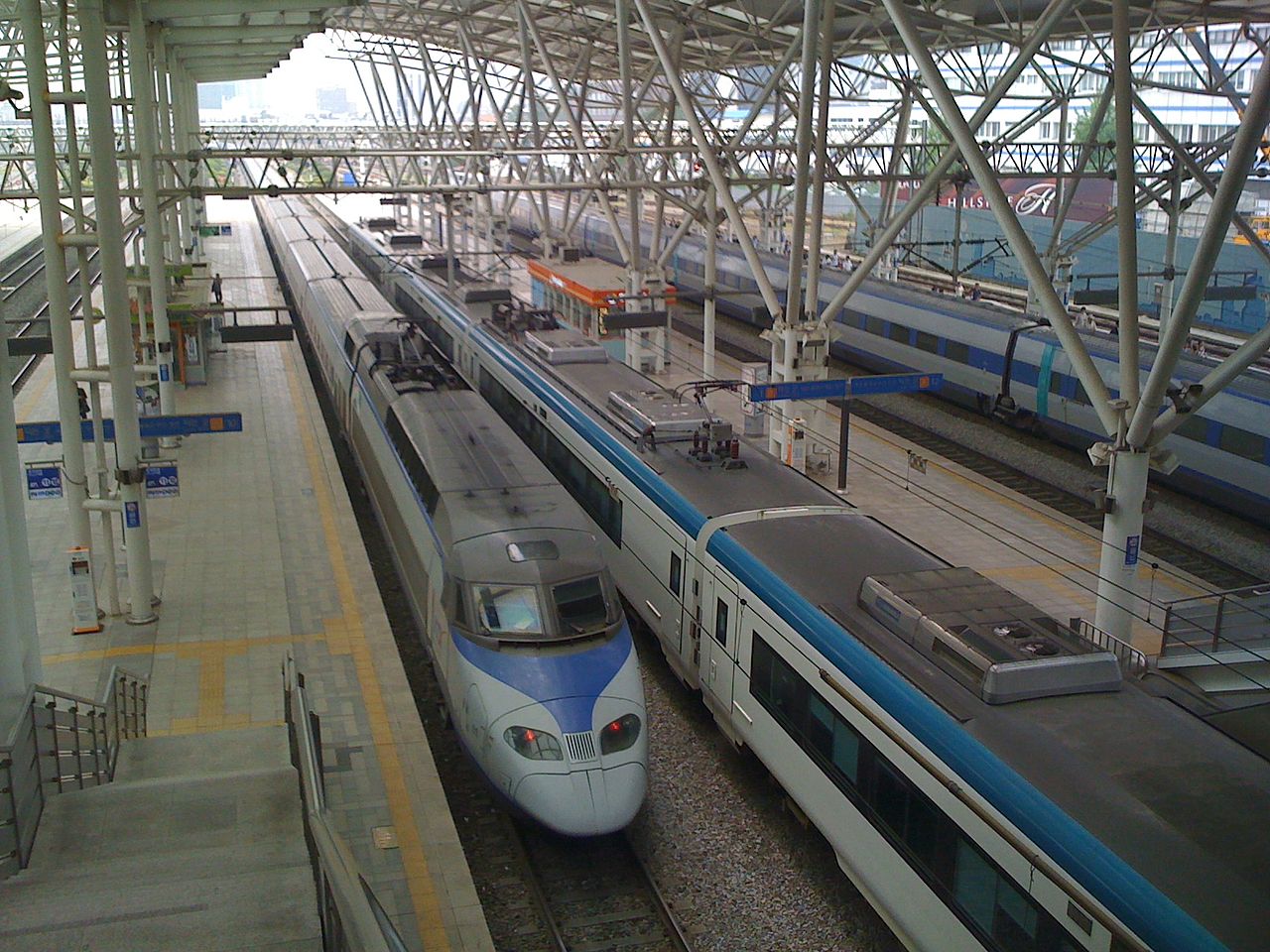
The short answer: at 2026 prices, a Seoul–Busan round trip on individual tickets costs ₩119,600 — less than the ₩131,000 two-day KR Pass. Even adding Gyeongju to the loop, single tickets usually win by a few thousand won. The pass starts paying off when your itinerary stacks long-haul train days — four or more travel days averaging roughly ₩58,000 of fares each — or when it buys you flexibility that individual tickets can't.
That answer surprises people, because the KR Pass built its reputation in years when it was aggressively cheap. Prices have risen faster than fares, and most advice online still repeats the old math. This guide runs the current numbers route by route so you can place your own itinerary on the right side of the line before paying for either option.
KR Pass Prices in 2026
The KR Pass (Korail Pass) is sold exclusively to foreign tourists — Korean nationals and foreigners resident in Korea for more than six months are not eligible. It comes in two structures: select passes cover any 2 or 4 travel days you choose within a 10-day window, and consecutive passes cover every day for 3 or 5 days straight from activation.
| Pass | Structure | Adult Price (2026) | Cost per Travel Day |
|---|---|---|---|
| 2-day select | Any 2 days in a 10-day window | ₩131,000 | ₩65,500 |
| 3-day consecutive | 3 days straight | ₩165,000 | ₩55,000 |
| 4-day select | Any 4 days in a 10-day window | ₩234,000 | ₩58,500 |
| 5-day consecutive | 5 days straight | ₩244,000 | ₩48,800 |
*Adult prices as of mid-2026; children 6–12 pay roughly half. Confirm the current price at booking — the pass has seen several increases in recent years.*
The pass covers KTX, KTX-Sancheon, KTX-Eum, ITX, and Mugunghwa trains, with up to two seat reservations included per travel day. It does not cover SRT (the separate private high-speed operator), the Seoul subway, or the AREX airport train, and it has blackout periods around Lunar New Year, Chuseok, and the late-July to early-August summer peak. The KTX foreigner guide covers the mechanics — booking, seat classes, station quirks — in detail; this article is only about the money.
The Break-Even Math
The per-day column in the table above is the number that decides everything. A travel day on the 2-day pass costs ₩65,500; on the 4-day pass, ₩58,500. For the pass to win, your average train day has to cost more than that on individual tickets. Here is what the main routes actually cost one-way in standard class:
| Route | One-way Fare | Round Trip |
|---|---|---|
| Seoul → Busan | ₩59,800 | ₩119,600 |
| Seoul → Gyeongju (Singyeongju) | ₩54,500 | ₩109,000 |
| Yongsan → Gwangju-Songjeong | ₩46,800 | ₩93,600 |
| Yongsan → Yeosu-Expo | ₩46,000 | ₩92,000 |
| Seoul → Daegu | ₩43,500 | ₩87,000 |
| Cheongnyangni → Andong | ₩28,600 | ₩57,200 |
| Seoul → Jeonju | ₩28,000 | ₩56,000 |
| Seoul → Gangneung | ₩27,600 | ₩55,200 |
Read the round-trip column against the per-day cost and a pattern appears immediately. Only the long-haul routes — Busan, Gyeongju, Gwangju, Yeosu — clear the pass's per-day cost in a single day, and only if you go out and back on the same travel day. The mid-range routes that make Korea's best day trips — Gangneung, Jeonju, Andong — cost ₩55,000–₩57,000 round trip, which sits just under even the 4-day pass's break-even line.
Three Itineraries, Three Answers
A simple Seoul–Busan round trip is the clearest case: ₩119,600 on single tickets against ₩131,000 for the 2-day pass. Individual tickets win by ₩11,400, and that gap widens if you find a discounted fare. The pass adds nothing here — buy the tickets.
The classic Busan-plus-Gyeongju triangle is closer than most people expect. Seoul to Busan (₩59,800), Busan to Singyeongju (₩11,900), Singyeongju back to Seoul (₩54,500) totals ₩126,200. If you compress the Gyeongju legs into one travel day, the 2-day pass covers the whole loop for ₩131,000 — still ₩4,800 more than the tickets. Spread it over three travel days and you'd need the 3-day consecutive pass at ₩165,000, which loses by a wide margin. Tickets win the triangle, narrowly but consistently. The Gyeongju guide covers how the Busan–Gyeongju leg works in practice.
Where the pass earns its keep is the aggressive multi-city loop. Take four travel days inside a longer trip: Seoul to Busan (₩59,800), Busan through Gyeongju and back to Seoul (₩66,400), a Gangneung round trip (₩55,200), and a Yeosu round trip (₩92,000). That's ₩273,400 of fares against ₩234,000 for the 4-day select pass — the pass wins by nearly ₩40,000 and lets you rebook trains freely along the way. Swap Yeosu for a cheaper Jeonju round trip and the totals land within ₩4,000 of each other, which is the break-even case: at that point the pass's flexibility, not its price, is the deciding factor. This is the shape of the Korea 10-day itinerary, which is why the pass remains the default recommendation there.
When Single Tickets Are the Right Call
Buy individual tickets when your trip includes two or fewer train days, when your destinations sit in the mid-fare band, or when your dates fall in a blackout window where the pass can't be used anyway. A Seoul base with one or two day trips — the pattern in the day trips ranking — never justifies the pass, because the best day-trip routes are exactly the ones priced below its per-day cost.
Individual tickets also win on simplicity. They are regular reserved seats with no exchange step, no activation date, and no reservation-count limit. Book through Korail Talk with an international card, or through Klook if the Korail app's verification gives you trouble — both are covered step-by-step in the KTX foreigner guide. For the price-sensitive, SRT runs the same Busan corridor from Suseo Station at slightly lower fares, and it's only bookable as individual tickets — the KR Pass doesn't cover it at all.
When the Pass Is the Right Call
Planning a trip to Korea?
The pass only pays off on the right route. The planner lays out your actual rail legs so the maths is about your trip. No sign-up needed.
Build My Korea Plan →Choose the pass when you can honestly count four or more train days averaging ₩58,000-plus in fares, when your itinerary chains one-way long hauls rather than returning to a Seoul base, or when you want the freedom to change trains without rebooking fees mid-trip. Regional loops through the southwest — Gwangju, Yeosu, Jeonju in sequence — hit the threshold quickly because every leg is a genuine intercity haul; the Gwangju and Andong guides both flag the pass for exactly this reason.
One honest caveat on the flexibility argument: the two-seat-reservations-per-day limit is real, and on summer weekends the trains you want may have no reservable seats left for pass holders. The pass guarantees you can board Korail trains; it does not guarantee the specific 09:00 departure you had in mind. If your itinerary depends on precise timings during peak season, reserved individual tickets bought the moment the booking window opens are the safer instrument.
The Decision in One Pass
Count your train days and add up the one-way fares from the table above. Under ₩131,000 across two days, buy tickets. Over ₩234,000 across four days, buy the 4-day select pass. In between, the answer is usually tickets for Seoul-based trips and the pass for one-way loops — and if the totals land within a few thousand won of each other, let flexibility break the tie. For how rail spending fits into the rest of a Korea budget, the Korea travel budget guide puts these numbers alongside food, lodging, and city transit.
Make a plan that fits your trip
The pass only pays off on the right route. The planner lays out your actual rail legs so the maths is about your trip. No sign-up needed.
Build My Korea Plan →